Before the Block Wakes Up: Two Hours at the Window That Set the Tone for Everything
There's a version of our stand most people know. The mid-morning version — strollers, laptops, someone asking what a cortado is. It's fine. It's pleasant. But it's not the version we'd defend in an argument.
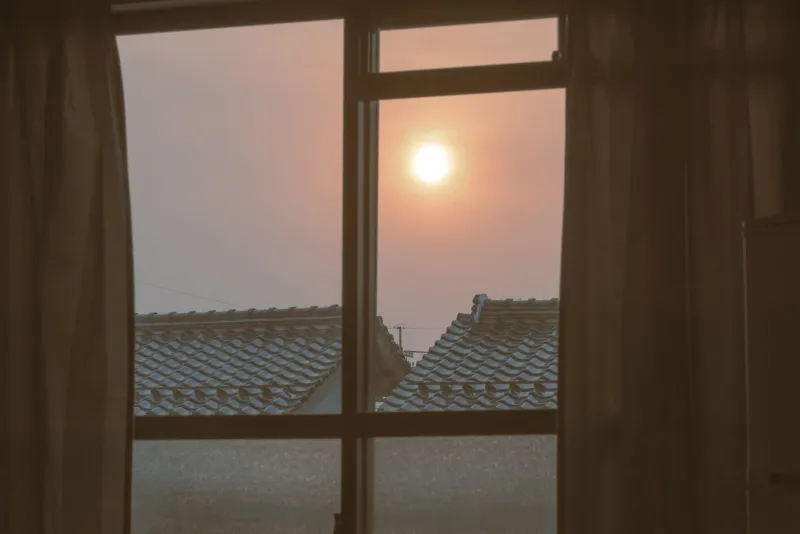
The version worth defending starts at 5:30 a.m., when the grille comes off the window and the street still belongs to street sweepers and one very committed jogger. If you want to understand what Liwei actually is, you have to see those first two hours.
The First Cup Goes to the Night Shift
Our first regular most mornings is Dana, an ICU nurse finishing a twelve-hour shift, not starting one. She orders a large cold brew, no straw, and she's gone in ninety seconds. We learned early on not to make small talk beyond a "long one?" and a nod. Some customers you chat up. Some you just get right.
Then comes Marcus from the bakery two doors down, who trades us a bag of day-old sourdough for a drip coffee and has never once let us pay cash. This arrangement has been in place so long that neither of us remembers who proposed it. We suspect it was Marcus. It's always Marcus.
By 6:15, the rhythm is set. And here's the thing nobody tells you about running a coffee stand: the opening shift isn't the warm-up. It's the foundation.
The Dog Walkers Run on a Schedule We Don't Control
Around 6:30, the dogs arrive. There's Penny, a basset hound who plants herself in front of the window like she's ordering, while her human, Ruth, gets a small latte with an extra shot. There's the two golden retrievers who belong to a man we only know as Flannel Guy because we have never once seen him in anything else.
The dog walkers are the connective tissue of the morning. They know everyone. They're the ones who told us when the Hendersons on the corner had a baby, and they're the ones who noticed when Regular No. 14 stopped coming by for three weeks (he was fine — knee surgery — and we saved his usual order the day he limped back in).
If you want neighborhood intel, skip the community Facebook group. Stand at a coffee window at 6:45 a.m.
Why the First Two Hours Matter More Than the Rush
Anyone can be friendly at 10 a.m. on a Saturday. The real test of a coffee stand is whether the person pulling shots at 5:45 a.m. still cares — because the people showing up at 5:45 a.m. can tell the difference.
Overnight workers, early nurses, bakers, the folks catching the first bus into the city: these are people whose entire day depends on things running on time and being done right. They don't have patience for a badly dialed-in espresso, and honestly, they shouldn't. Serving them well is our daily proof that we know what we're doing.
There's also a practical reason the opening shift sets the soul of the stand: whoever opens trains the tone for everyone who follows. If the 5:30 shift is sloppy, the 8 a.m. shift inherits the sloppiness. If it's sharp and warm, that carries through the day like a good first impression.
The Quiet Handoffs
Our favorite mornings have what we call handoffs — moments when the early crowd overlaps with the late risers. Dana the nurse sometimes crosses paths with the 7 a.m. gym crowd, and there's a nod of mutual respect between people heading home and people just starting. Two shifts of the same neighborhood, briefly sharing a sidewalk.
By 7:30, the light changes. The commute crowd arrives, the strollers appear, and the stand becomes its public self. But we always feel a little like we're closing a private party.
Come See the Other Morning
We're not going to pretend the 5:30 a.m. shift is glamorous. It's cold in January, the grinder is loud, and the first hour happens mostly in the dark. But it's the truest version of what we set out to build: a small counter, a good pour, and a neighborhood taking care of itself one cup at a time.
If you're up early sometime — really early — come by. First-timers at the opening shift get a slightly heavier pour. That's not a policy. It's just what happens when the person at the window is happy to see you.