Your Home Brew Is Probably Fine — But It Could Be Great: 5 Fixes We Swear By
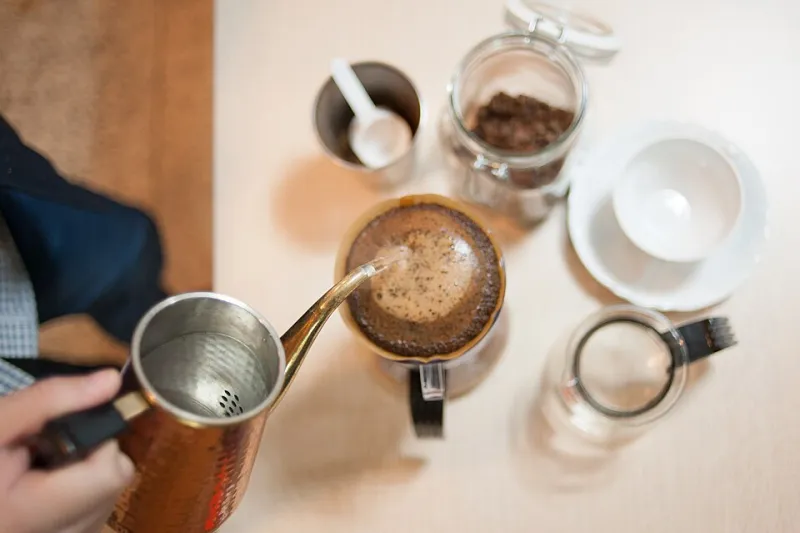
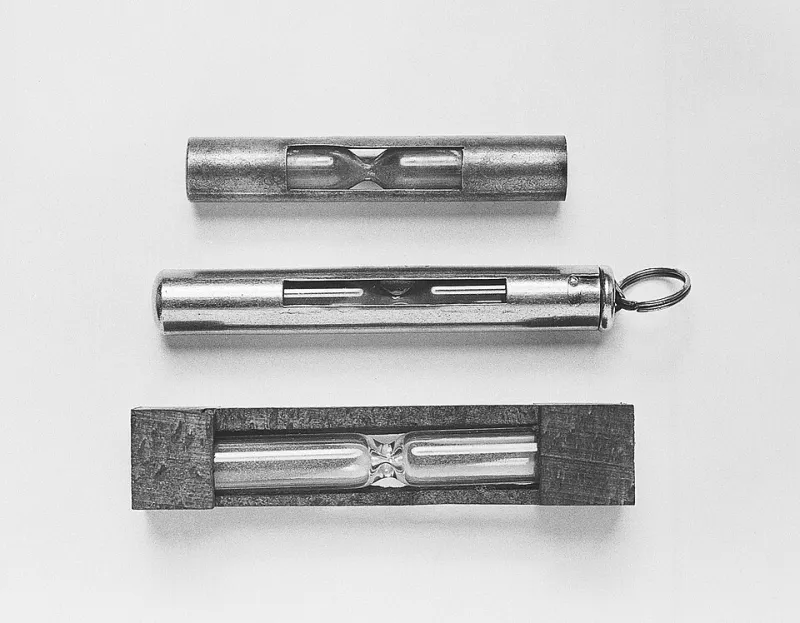
Photo: Kim Sanso, CC0, via Wikimedia Commons
Confession Time From Behind the Counter
Here's something we don't say out loud too often: before we opened Liwei, we made every single one of these mistakes at home. Bitter French press. Sour pour-over. That sad, papery cup that made us wonder why we'd bothered buying nice beans at all.
The good news? Almost every mediocre home brew traces back to one of five fixable problems. None of them require new gear. Most of them take thirty seconds to correct. Let's get into it.
1. Your Coffee Is Stale (And You Don't Know It)
The biggest culprit, every time. Pre-ground coffee starts losing its aromatics within minutes of grinding, and whole beans go stale within a few weeks of roasting. That bag in your cabinet with no roast date on it? That's not coffee, that's a memory of coffee.
The fix: Buy whole bean, and look for a roast date — not a "best by" date, an actual roast date — within the past two to four weeks. Grind right before you brew. If you're not ready to buy a grinder yet, ask us (or your local roaster) to grind in smaller batches and use them within two weeks. It's not ideal, but it beats the alternative.
2. Your Water Is Too Cold — Or Boiling Mad
Water temperature is the invisible variable nobody talks about. Too cool (below about 195°F) and your coffee comes out sour, thin, and underdeveloped. Too hot — straight off a rolling boil — and you scald the grounds into bitterness.
The fix: Aim for 195–205°F. No thermometer? Easy trick: bring water to a boil, then let it sit for about 30–45 seconds before pouring. That's it. That's the whole hack. If you want to get fancy later, a basic gooseneck kettle with temperature control is the single best upgrade under $100.
3. You're Rushing the Bloom
When hot water first hits fresh grounds, trapped carbon dioxide escapes in a fizzy little rise we call the bloom. Skip it or rush it, and that escaping gas literally pushes water away from the coffee, leaving you with uneven, under-extracted brews.
The fix: After your first pour, use about twice the coffee's weight in water — so roughly 40 grams of water for a 20-gram dose — just enough to wet the grounds. Then wait 30 to 45 seconds and watch it puff up like a tiny chocolate soufflé. Then continue pouring. Fresh coffee blooms dramatically; stale coffee barely bubbles. (Bonus: the bloom is also a free freshness test.
4. Your Grind Size Is Guesswork
Grind size is the throttle on extraction. Too coarse and your pour-over finishes in a minute and change, tasting weak and sour. Too fine and it clogs, drags on forever, and turns bitter as sin. And here's the part even some cafés get wrong: the "one grind size for everything" approach doesn't work. A French press wants a coarse, breadcrumb grind; a pour-over wants something like coarse sand.
The fix: Match the grind to the method and, more importantly, match it to time. If your pour-over drains way too fast, go finer. Too slow? Go coarser. Adjust one variable at a time and taste as you go. Two or three brews and you'll have it dialed.
5. You're eyeballing everything
We get it — scoops and "about that much" feel easier at 6:30 a.m. But coffee-to-water ratio is where most cups quietly go sideways. Too much coffee and it's muddy and harsh; too little and it's dishwater.
The fix: Start with a 1:16 ratio — that's about 60 grams of coffee per liter of water, or roughly 1 gram of coffee per 16 grams (milliliters) of water. For a standard 12-ounce mug, that's around 20 grams of coffee. A $12 kitchen scale removes all the guesswork, and honestly, it's the cheapest upgrade in all of home brewing.
One Last Thing: Taste It Before You Doctor It
Here's a habit worth stealing from the pros: sip your coffee before adding milk or sugar, at least once. Not because there's anything wrong with a little cream — half our regulars would riot — but because tasting the brew itself tells you what to adjust next time. Sour? Grind finer or extend your brew. Bitter? Go coarser or drop your water temp a notch.
Coffee's not a test with one right answer. It's a loop: brew, taste, tweak, repeat. Do that for a week and your kitchen will be pouring cups that make your favorite café nervous.
And if you try these and still hit a wall? Bring your setup questions to the counter. We've talked more people through grinder settings than we can count — usually over a cup of whatever just passed the three-counter rule.