The Honest Jar: A Year of Tips, Trinkets, and the People Who Left Them
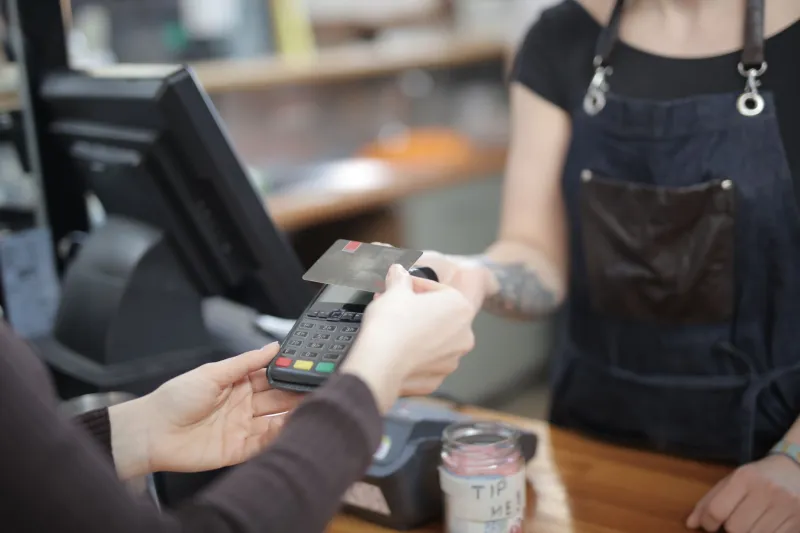
The jar sits just to the right of the register, a wide-mouthed glass jar that once held pickles. It's not fancy—no QR code, no app prompt, no little screen that asks if you'd like to round up. It's just a jar. But after a year of watching what goes in and what comes out, we've come to think of it as the most honest ledger we have.
What Actually Lands in the Jar
Mostly, it's coins. Quarters, dimes, nickels, the occasional penny. People drop them in with a little clink, sometimes without breaking eye contact, sometimes with a quiet "thanks." Now and then a dollar bill appears, folded into a tiny triangle or a neat square. We've gotten a two-dollar bill, which we set aside because they're lucky. We've gotten Canadian quarters and a British penny and, once, a 20-cent euro coin that sat in the jar for a week before we fished it out and taped it to the register for good luck.
Then there are the things that aren't money at all. Three coat buttons—matching, dark brown, the kind that come with a spare thread still attached. A folded note, tight as a little square, that we almost threw away. And a handful of other oddities: a guitar pick, a marble, a single earring, a paper clip bent into a heart. We keep a small envelope in the back for the non-cash items, because throwing them away feels wrong.
The Stories Coins Tell
You can learn a lot about a block by its tip jar. When the weather turns cold and the days are short, the jar gets heavier with coins—people who usually drop a dollar start dropping fifty cents, and people who usually drop fifty cents start dropping a handful of change. It's not that they're cheap. It's that money is tight. We see it in the way they count out their order, in the way they pause before adding a pastry.
When things are good, the jar tells a different story. Bills appear. Someone leaves a five and says, "For the next person who needs it." We've had a regular who drops in a dollar every Friday and never says a word. We've had a kid who puts in a penny and waits for a high-five. We've had a woman who left a note that said, "Your coffee got me through my first day at a new job. Thank you." That note is still taped inside the cabinet.
The jar is also a barometer for the hard weeks. When someone's short, they might put in what they can—sometimes just a nickel—and we don't count. The jar isn't a scoreboard. It's a collection plate, a swear jar, a little pool of good faith.
The Strangest Things We've Fished Out
The 20-cent euro coin was confusing. We don't get many tourists on this block, but we get a few. We kept it on the register for a week, then moved it to the envelope. The three coat buttons were stranger. They were identical, and they arrived on three different days, which made us wonder if someone's coat was slowly falling apart, button by button, and they were leaving the evidence with us. We never found out.
The folded note was the strangest. It was folded so tightly we almost didn't open it. Inside, in pencil: "I don't have any money today, but I wanted to leave something. Thank you for the smile." We kept it. It's in the envelope with the buttons.
How We Split and Spend It
At the end of each shift, we empty the jar into a small cash box. Tips are pooled and split by hours worked. No app, no points, no tracking. We don't know who tipped what, and we like it that way. Every few months, we take a small slice and use it for something the block needs—a new umbrella for the bus stop, a box of gloves for the winter coat drive, a round of pastries for the fire station down the street. It's not a formal program. It's just what the jar seems to want.
Why We've Never Gone Cashless
We take cards. We're not anti-card. But we've never gone cashless, and the jar is a big reason why. Cash is inclusive. It works for the tourist with a pocketful of foreign coins, the kid with a piggy bank, the person who doesn't want another app on their phone. It works for the regular who wants to leave a dollar without it showing up on a statement. And it works for us, because the jar is a conversation starter, a tiny ritual, a reason to look someone in the eye and say thank you.
The Jar as a Ledger
The jar doesn't lie. It shows the block's mood, its small generosities, its hard weeks and good ones. We'll keep it by the register, and we'll keep fishing out the oddities, and we'll keep splitting the tips. If you've ever dropped something in—coin, bill, button, note—thank you. We noticed.