Thermometer First, Menu Second: The Quiet Art of the Seasonal Rewrite
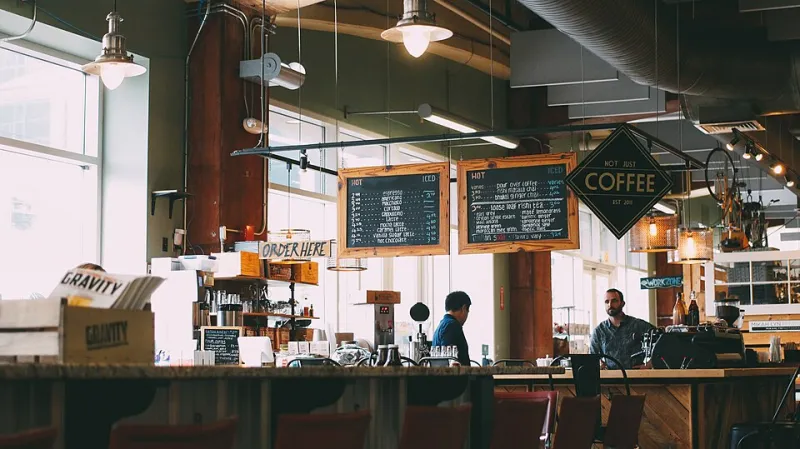
Photo: Jazmin Quaynor jazminantoinette, CC0, via Wikimedia Commons
There's a moment every year — usually mid-September in our corner of the neighborhood — when someone orders an iced latte, takes one sip, and makes a face like they've been personally betrayed. That's our cue. The season turned, and the menu didn't.
We keep a battered spiral notebook behind the counter we call the Weather Book. It's where we track what sells when, what gets returned half-finished, and what people linger over. And the biggest lesson it's taught us is this: coffee isn't the same product in July as it is in January. Your tongue knows it even if you can't articulate it.
Heat Changes Everything
When it's 95 degrees out, cold dilution is your enemy and your friend. Ice melts fast, which means an iced drink built in May tastes watered-down by August standards. So every summer, we rebalance our cold ratios — a touch more concentrate, a splash less milk, and syrups dialed back about fifteen percent, because heat amplifies sweetness until it becomes cloying.
Our cold brew, which sits in the fridge overnight at a 1:5 ratio, gets stretched slightly less in the summer pour. The result is a drink that still tastes like coffee by the time you've walked three blocks to the bus stop.
Winter Wants Weight
Flip the calendar to January and the opposite happens. Cold air dulls sweetness and mutes aroma — which is why a latte that tasted perfect on your porch in June can feel thin and flat when it's snowing. Our winter pulls run a little richer: we lean on darker roasts for espresso drinks, offer oat milk as a default suggestion rather than an afterthought, and bring back the maple-cinnamon syrup that only appears when the first frost does.
Hot drinks also benefit from smaller serving sizes than you'd think. A 12-ounce cappuccino stays warm to the last sip; a 20-ounce one goes lukewarm halfway through. We'd rather you finish hot than abandon cold.
The Shoulder-Season Shuffle
April and October are the tricky ones. The mornings say one thing, the afternoons say another. Our answer is the half-and-half order: hot espresso poured over a modest amount of ice, no milk unless asked. It's the drink equivalent of a light jacket — appropriate for either outcome, and it's quietly become our most-ordered thing during those in-between months.
Try This at Home
You don't need a Weather Book to seasonalize your own routine:
- Summer: Cut sweetener by about a quarter in iced drinks and increase your coffee-to-water strength. Brew your cold brew stronger than you think you need to — ice is coming.
- Winter: Choose a darker roast or add a pinch of salt to your grounds before brewing. It rounds out the bitterness cold air exaggerates.
- Shoulder seasons: Master the cortado-style ratio (roughly equal parts espresso and steamed milk). It works at any temperature.
- Always: Taste your drink at the halfway point. That's the moment it's actually at its designed strength.
The menu board isn't carved in stone. It's more like a garden — same plot, different plantings. Next time the weather turns and your usual order tastes slightly off, don't blame the barista. Blame the thermometer, then ask what we'd recommend. We've been waiting for you to ask.