Stopwatch at the Window: What a Month of Timing Every Pour-Over Taught Us About the Wait
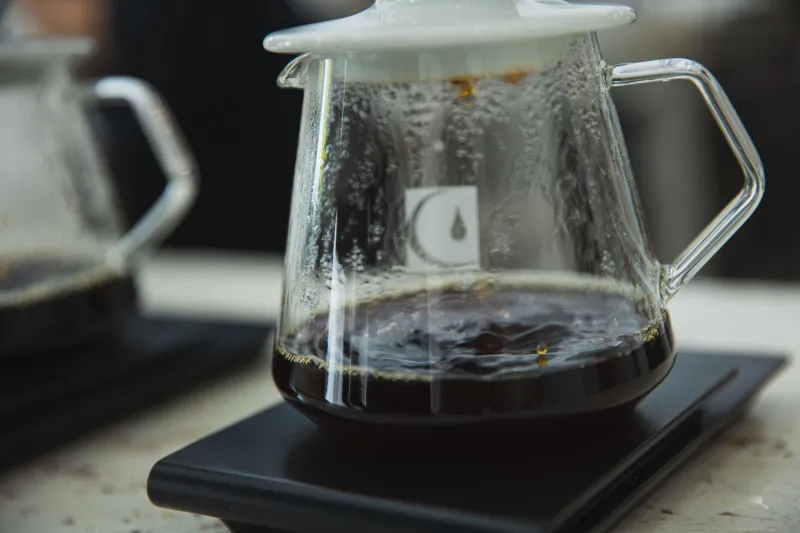
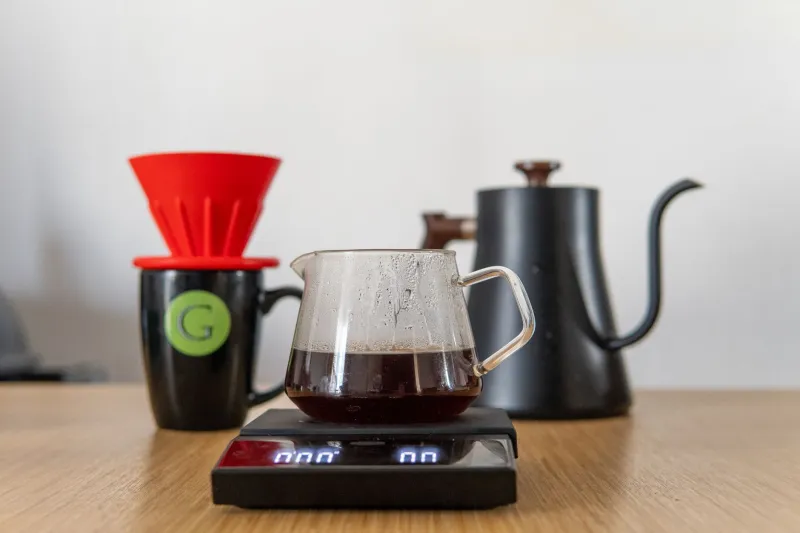
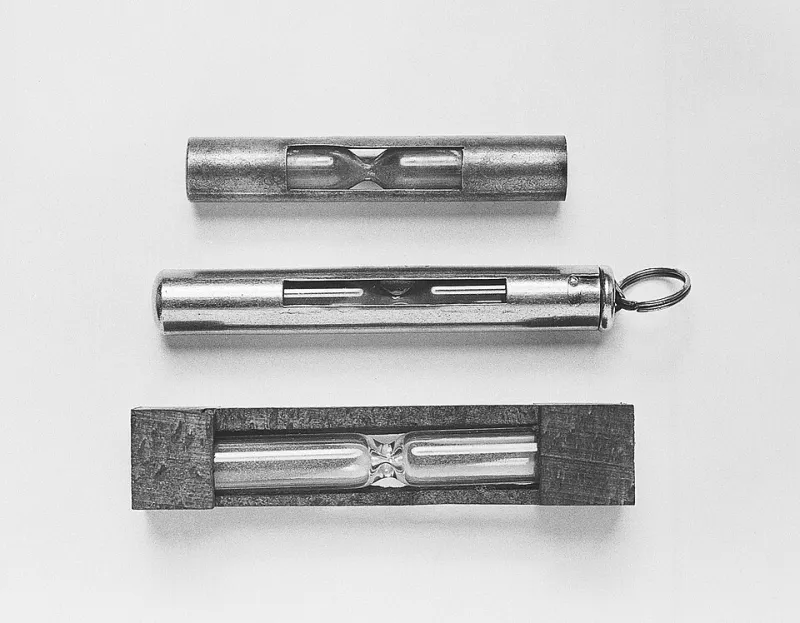
At Liwei Coffee Stand, the pour-over is the drink that asks the most from everybody. It asks the barista to stand still. It asks the kettle to behave. And it asks the customer to wait while a small cone of coffee drips into a cup at its own pace. For a month this fall, we clipped a stopwatch to the shelf beside the grinder and timed every single pour-over that crossed our window. We wanted to know where the minutes actually went. We also wanted to know whether the wait felt as long as it looked.
The rules of the experiment
We kept it simple. The clock started when we called the order back to the bar and stopped when the cup landed on the pickup ledge. We wrote down the drink, the roast, the grind setting, the water temperature, and the total time. Then we asked one question before handoff: did that feel fast, fair, or slow to you? No prompts beyond that. No explanations. Just a stopwatch and a small tally sheet that got greasy by Thursday.
By the end of the month, we had hundreds of pour-overs logged. The average total time sat around four minutes and forty seconds. The fastest was a little over three and a half minutes. The slowest, a dark-roast single cup on a damp morning when the grinder decided to take its time, stretched past six. Most cups, though, lived in that comfortable middle: a short setup, a bloom, a few gentle pours, and a final drip that always seemed to take longer than anyone expected.
Where the minutes really go
Here is the part that surprised us. The actual brewing water was not the biggest block of time. Setup and grind took roughly forty-five seconds on a normal order. Rinsing the filter, heating the cup, and getting the dose right added another minute. The bloom and the main pours took about two and a half minutes. The rest was drip time, the slow finish, the part where the bed of coffee gives up the last of its liquid and the barista refuses to squeeze it along.
That final drip is where customers start checking their phones. It is also where the cup is quietly being finished. Rushing it gives you a thinner, harsher brew. Waiting gives you the sweetness and the body that make a pour-over worth ordering in the first place. The stopwatch did not teach us to brew faster. It taught us to stop pretending the last thirty seconds do not matter.
What the wait feels like from the other side of the window
We asked the feeling question because we know time is not a stopwatch. A four-minute wait while you are scrolling your phone is not the same as a four-minute wait while you are standing in the cold with a dog who has decided this is the most interesting sidewalk in America.
Regulars, it turns out, have their own rituals. Some read the chalkboard like it is a newspaper. Some watch the kettle. Some talk to whoever is next to them, which is how we learned that the man in the green cap has a daughter starting college and the woman with the tote bag is training for a half marathon. A few simply stand and breathe, which sounds precious until you try it. The people who reported the wait as slow were almost always the ones who had somewhere else to be. The people who reported it as fair were the ones who had decided the wait was part of the order.
The five-minute cup that feels worth it
We are not going to pretend a pour-over is instant. It is not. But there is a difference between a wait that feels like a delay and a wait that feels like a small event. The cups people remembered were not the fastest ones. They were the ones where the barista looked up, said the coffee was blooming, and gave them a little window into what was happening. A short, honest delay can make a cup feel more valuable than a rushed one. It signals that something is being made for you, not just dispensed at you.
That is the lesson we are taking into the holiday season at the window. We will still call out the order. We will still keep the line moving. But we are not going to apologize for the four or five minutes a good pour-over needs. If anything, we are going to name them. Five minutes is not a long time to wait for something you actually want.
How to make your own five minutes count at home
If you are brewing pour-over at home, you do not need a stopwatch to benefit from ours. Start with a kettle that holds heat and a grinder that gives you a consistent medium-fine grind. Rinse the filter with hot water, warm your cup, and let the whole setup feel less like a race and more like a short ritual.
Bloom with about twice the weight of the coffee in water, then wait thirty to forty-five seconds. That pause is not decorative. It lets the coffee release gas so the water can actually reach the grounds. Pour in gentle circles, keep the bed level, and do not let the water level drop so far that you are just rinsing the sides of the cone. When the last drips slow down, let them finish. Do not press the bed. Do not add a panic pour. The cup will tell you when it is ready.
One more thing: give yourself permission to stand there. The best home pour-overs we have heard about are the ones where somebody actually watches the kettle instead of unloading the dishwasher. Five minutes is enough time to make coffee and enough time to notice your own kitchen. That is not a delay. That is the whole point.
What we are still timing
We have put the stopwatch away for now, but the tally sheet is still taped inside a cabinet. Every so often someone asks how long their pour-over will take. We have stopped saying a flat four minutes. Instead we say: give it five, and we will tell you when it is blooming. It is a small difference. It is also the most honest answer we have.