Two Dates, One Decision: How We Read a Coffee Bag Before It Ever Reaches Your Kitchen
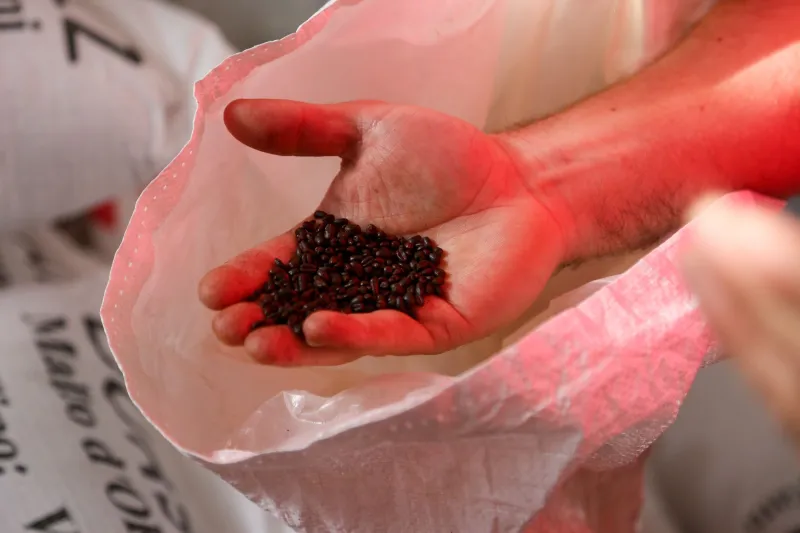
On a slow Tuesday morning, a regular named Marcus slid a bag of beans across the window ledge and asked the question we field at least three times a week: “Is this one fresh?” He was holding it label-up, pointing at the best-by date. I flipped it over, found the small stamped line near the bottom seam, and nodded. The number he was staring at had almost nothing to do with the answer.
That scene plays out constantly — at our window, in grocery aisles, and in group chats where somebody posts a photo of a bag and asks the internet to judge it. So here is the plain version, the one we give out between pours.
Two Dates, Two Very Different Jobs
Almost every bag of specialty coffee carries two numbers. The first is the roast date — sometimes printed cleanly, sometimes stamped, sometimes scrawled with a marker that smears if you look at it wrong. It marks the day the beans came off the roaster. That is the freshness clock, and it starts ticking immediately.
The second is a best-by or expiration date, usually six to twelve months later. That one is a shelf-life promise, not a flavor forecast. It answers a narrow question — “will this still be acceptable?” — rather than the one you actually care about, which is “will this be at its best?” Think of it as a floor, not a ceiling. It tells you when the bag stops being fine, not when it starts being great.
What Actually Happens in the First Two Weeks
Freshly roasted coffee is not finished coffee. For the first few days, beans release carbon dioxide in a process called degassing. Brew too soon and the gas can fight your water, leaving cups that taste flat, sharp, or oddly foamy. Espresso is especially touchy — a bag roasted yesterday may pull shots that sputter and run fast no matter what you do.
Somewhere around day four, most beans start to settle. For drip, pour-over, and most filter methods, the sweet spot tends to land between roughly four and fourteen days off the roast. Espresso often wants a little more rest, somewhere in the seven-to-twenty-one-day range. After four to six weeks — sooner for pre-ground, later for whole bean stored well — the aromatics fade. The coffee is still drinkable, just less alive.
So “freshest” is not automatically “best.” A bag needs a short rest before it shows you what it can do. The goal is a window, not a race.
Why the Best-By Date Deserves a Shrug
Best-by dates are built for inventory and liability, not for your morning cup. A bag stamped with a date eight months out could easily be eight weeks past roasting when it reaches the shelf. Grocery stores are the usual culprit, since distribution and warehousing eat time quietly.
And that date assumes the bag stays sealed. The moment you open it — or worse, transfer beans into a clear container on the counter — the clock speeds up considerably. Oxygen, light, and heat are the three things that dull coffee fastest, and a best-by date accounts for none of your kitchen's actual conditions.
How to Read a Bag in About Ten Seconds
Flip it over. Look at the bottom seam, the back label, the little ink stamp near the closure. Roasters put the roast date in predictable places once you know to check.
If you find a roast date, buy the youngest bag on the shelf. If the only number is a best-by, do the math backward — subtract six to twelve months — and treat the result as an educated guess. Ask whoever is behind the counter when the beans were roasted; a shop that moves coffee will know, and a shop that does not will hesitate. A bag with no date at all is a gamble, unless you trust the roaster and the turnover is genuinely fast.
The Three Questions We Ask Our Regulars
When someone wants the freshest option for home, we do not just point at a bag. We ask three things.
First, how do you brew it? A drip drinker and an espresso drinker want different rest windows, and cold brew is forgiving in ways that a pour-over is not.
Second, when will you open it? If the bag is going to sit in a cabinet for three weeks before you touch it, buying the absolute newest roast is not actually helping you.
Third, do you have a grinder? Whole bean holds up far better than pre-ground, which stales in days rather than weeks. If you are buying pre-ground, buy smaller bags more often.
Storage, in One Short Paragraph
Keep beans sealed, cool, dark, and away from the oven. Skip the fridge — moisture and food odors are not friends of coffee. The freezer is fine if the bag is airtight and you avoid repeated thaw-and-refreeze cycles; grinding straight from frozen works surprisingly well. What you do not want is a clear hopper on the counter, slowly fading for a month.
The Short Version
Buy by roast date. Let the bag rest a few days. Drink it within a few weeks. Ignore the best-by until it is the only number printed, and then ask questions before you commit.
Marcus flips bags over before he reads a label now. That is the entire trick, and it takes less time than waiting for your name to be called.